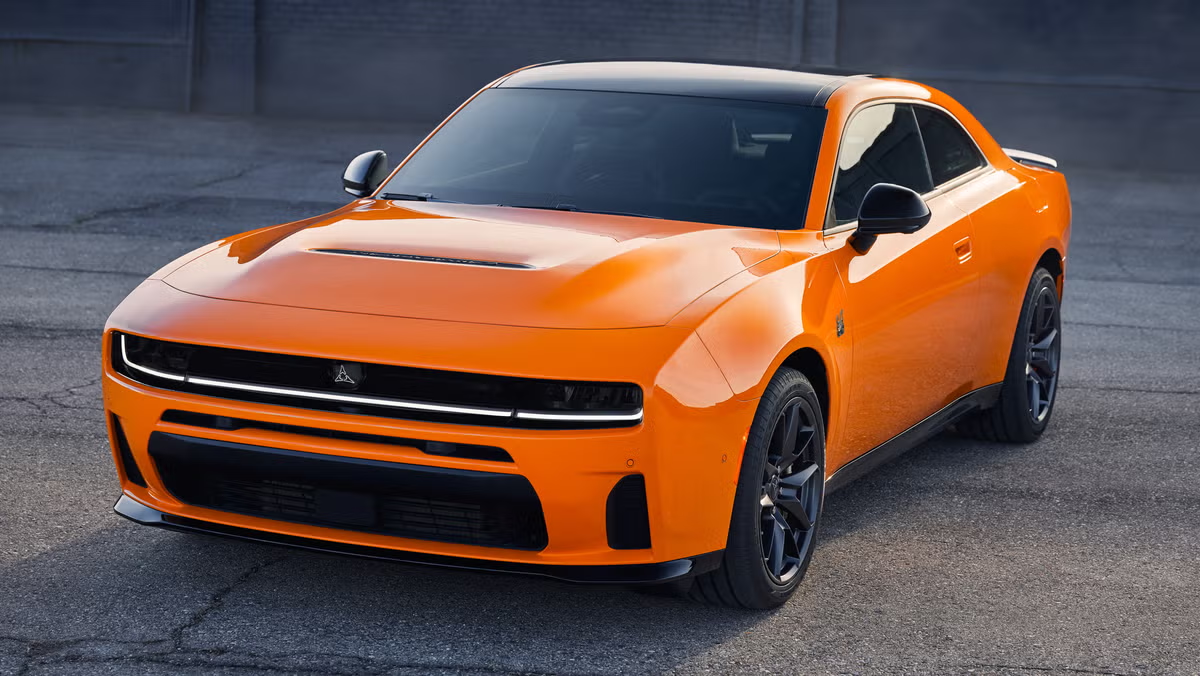
The 2026 Dodge Charger is a modern muscle car. It returns with big power and new technology. This generation offers both petrol and electric versions. The petrol models use a twin-turbo engine. The electric Daytona Scat Pack gives huge performance. In India, the Charger is not sold officially. You buy it through grey market imports. Prices start around Rs 1.5 crore or more. On-road costs reach Rs 2 crore or higher in cities like Delhi or Mumbai. Duties and taxes add a lot. For buyers in places like Ranchi or Kolkata, it is a status symbol. It turns heads on highways. But fuel costs are high. Petrol is expensive. Charging stations are limited outside big cities. Service is rare. Still, the thrill of driving makes it special. Let us look at the details.
Quick Spec Table
| Specification | Details |
|---|---|
| Engine Options | 3.0L Twin-Turbo I6 (420-550 hp) or Electric (670 hp) |
| Transmission | 8-Speed Automatic |
| Range (Electric) | ~385-435 km |
| 0-100 kmph | 3.3-4 seconds |
| Ground Clearance | Decent for highways |
| Price (India approx) | Rs 1.5-2.5 crore (import) |
| Fuel Type | Petrol or Electric |
| Seating | 5 |
Exterior Design
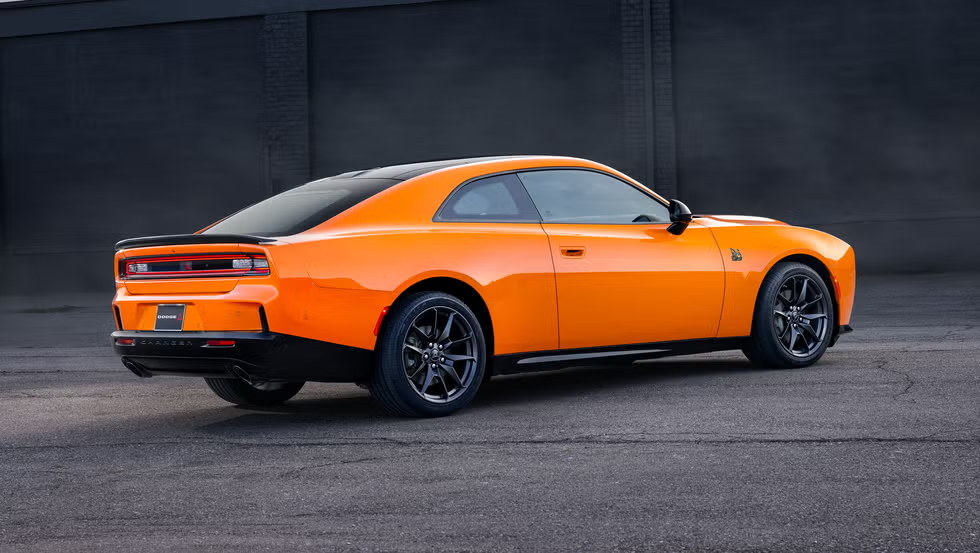
The 2026 Charger has a bold shape. It measures about 206 inches long. Width is wide. Height is low for a muscle car. The wheelbase is long. Ground clearance is decent. It handles Indian speed bumps okay. In Ranchi roads, it clears most potholes. The front has a wide grille. LED headlights are sharp. The bumper looks aggressive. Air intakes help cooling. From the side, the profile is long and sleek. Wheels are 20 inches or larger. They fill the arches. Black cladding adds toughness. Roof rails are not there. The roof slopes gently. Rear door handles are flush in some trims. At the back, LED taillights connect. Dual exhaust tips are big in petrol models. The electric version has no exhaust. Colours include bright reds, blacks, and whites. Paint quality is strong. It resists scratches from dust. The design gives strong road presence. In Mumbai traffic, people stare. The size makes parking difficult in narrow lanes. Overall, it looks powerful and modern. It feels like a true American muscle car.
Interior and Comfort
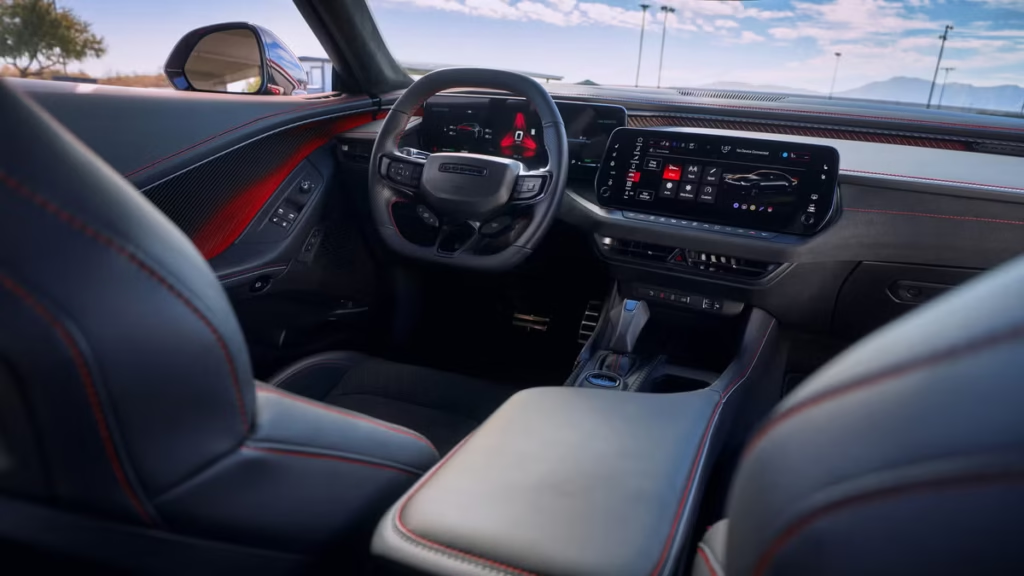
The cabin is spacious and luxurious. It seats five people. Dashboard has leather and soft materials. Ambient lighting changes colours. Front seats are powered. They heat and cool. Bolsters hold you during fast drives. The steering wheel has paddles. Rear seats fit adults well. Legroom is good. Headroom is okay. AC is multi-zone. It cools fast in hot Indian summers. In Delhi heat, it works great. Boot space is decent for a sedan. It fits family bags. Seats fold for more room. Storage includes cup holders and console. Glovebox is large. USB ports are many. Noise is low. Cabin stays quiet at high speeds. For long drives from Kolkata to hills, it relaxes. Elders find entry a bit high. Seats are firm. Overall, comfort is high. It feels premium inside. The electric version is even quieter with no engine sound.
Also Read 2024 Dodge Ram 1500 TRX Review, Pricing, and Specs
Features and Technology
The Charger packs modern tech. The touchscreen is large. It is 12.3 inches or more. Wireless Android Auto and Apple CarPlay connect easily. Navigation shows traffic. The driver display is digital. It shows speed and maps. Head-up display projects info. Audio is premium with many speakers. Sound is clear and loud. Panoramic sunroof is available. It opens wide. Keyless entry and push-button start are standard. Wireless charging for phones. Climate control has air purifier. This helps in polluted cities. Drive modes include Sport and Track. Cruise control is adaptive. Rain-sensing wipers and auto lights. Parking assist with 360 camera. In Indian traffic, this helps. Connected app tracks the car. OTA updates improve software. Off-road features are limited. But it handles light trails. Features make daily use easy. But menus can be complex. Overall, tech is advanced. It matches luxury cars.
Engine and Performance
The 2026 Charger comes in two types. Petrol versions use a 3.0-litre twin-turbo inline-six engine. It is called Sixpack. The base R/T makes 420 horsepower. The Scat Pack gives 550 horsepower. Torque is high. It pairs with an 8-speed automatic. All-wheel drive is standard. You can switch to rear-wheel drive. Acceleration is fast. 0-100 kmph in under 4 seconds for Scat Pack. The electric Daytona Scat Pack is stronger. It has dual motors. Power is 670 horsepower. Torque is 627 pound-feet. 0-100 kmph in 3.3 seconds. It beats old Hellcat models. Range is about 385-435 km. Real world is lower with fast driving. In city, it feels instant. Overtakes are easy. Sport mode sharpens response. The electric version has simulated exhaust sound. Petrol models sound real and loud. In India, petrol is expensive. Mileage is low. Electric running cost is better. Charging takes time at home. Fast chargers are few. Maintenance for petrol is costly. Electric has less. For enthusiasts, both thrill. The electric feels futuristic. Petrol keeps the old muscle feel.
Ride and Handling
The ride is firm but comfortable. Suspension absorbs bumps. In Indian potholes, it stays stable. Body roll is low. Steering is precise. It weighs nicely at speed. Handling is sharp for a big car. Brakes are strong. They stop quick. At high speeds, it is planted. Up to 140 kmph no issue. The electric version is quieter and smoother. Petrol has more character. NVH is low. Cabin stays quiet. Wind noise is minimal. For highways from Delhi to Jaipur, it cruises easy. In rain, grip is good. Overall, it balances power and comfort. Better than many sedans.
Safety Features
Safety is solid. Many airbags are there. ABS and stability control help. Hill hold and descent assist. Tyre pressure monitor. Cameras and sensors aid parking. ADAS includes adaptive cruise and lane assist. In tests, it scores high. For Indian roads, it gives confidence. Traffic is chaotic. But basics work well. ISOFIX for child seats. Families feel safe.
Variants and Pricing
In India, only imported. Grey market prices start Rs 1.5 crore. Top models go to Rs 2.5 crore or more. Duties make it expensive. In Delhi or Mumbai, on-road is higher. EMI is very high. Service is in big cities only. Costs Rs 50,000 yearly or more. Parts take time. Official price in US starts around $50,000. In India, it doubles. Rivals like German luxury sedans cost similar after import. But Charger gives unique muscle feel.
Pros and Cons
Pros:
- Huge power in both versions.
- Quick acceleration.
- Premium cabin with tech.
- Bold design.
- Strong performance on highways.
- Electric option for future.
Cons:
- Very high price in India.
- Low mileage for petrol.
- Charging limited outside cities.
- Expensive maintenance.
- Large size for Indian roads.
- Not officially sold.
FAQs
What is the power of 2026 Dodge Charger?
Petrol up to 550 hp. Electric Daytona Scat Pack 670 hp.
Is it available in India?
Only through grey market imports.
What is the range of electric version?
Around 385-435 km claimed. Real world lower.
How is fuel cost in India?
Petrol version very expensive. Electric better.
Service in India?
Limited to big cities. Costs high.
Better than old Charger?
Yes. New tech and power options.
Any 2026 updates?
New gas engines and electric Daytona lineup.
Conclusion
The 2026 Dodge Charger brings back muscle car excitement. It offers petrol power or electric performance. In India, it is a rare import. The thrill is unmatched. But costs are high. Fuel and service make it tough. In January 2026, the lineup is fresh. For enthusiasts in Delhi or Mumbai, it is a dream. If you can afford it, import one. Test drive abroad. It delivers pure joy. A special choice for India. (Word count: 1567)