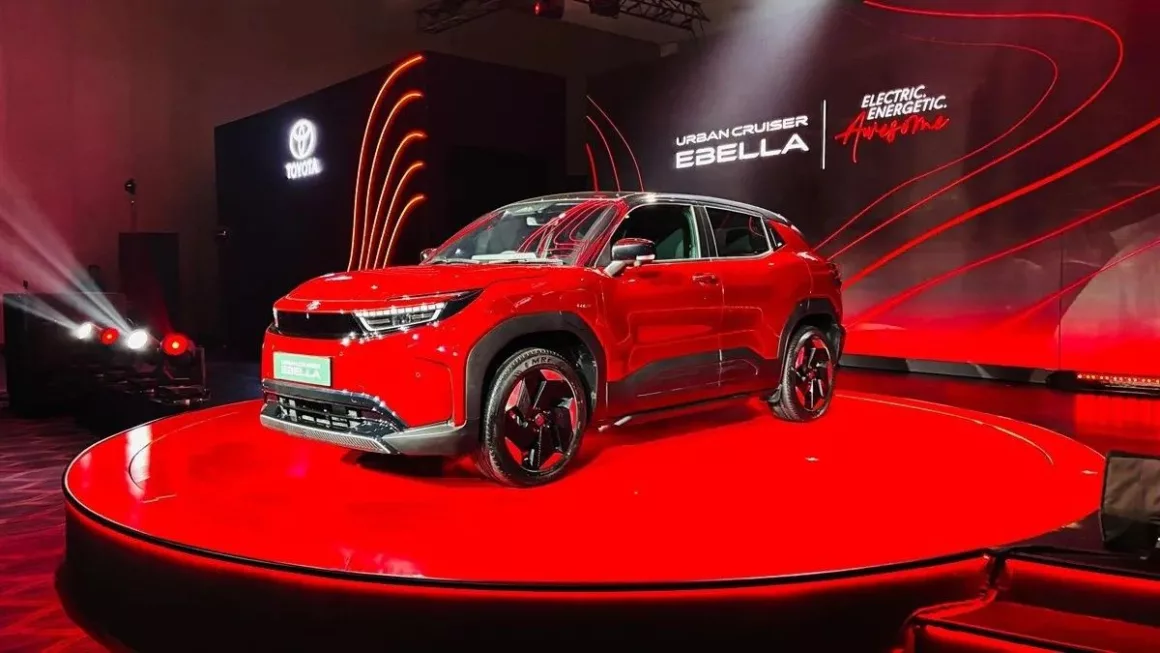
The Toyota Urban Cruiser Ebella marks Toyota’s bold entry into the Indian electric vehicle market. This compact electric SUV launched on January 20, 2026. It shares its platform with the Maruti Suzuki e Vitara but carries Toyota’s signature styling and reliability focus. For buyers in cities like Ranchi, Jharkhand, the Ebella promises zero-emission driving, long range, and premium features. The expected ex-showroom price starts around Rs 18 lakh and goes up to Rs 24 lakh depending on the variant and battery pack. Bookings opened with an amount of Rs 25,000, and deliveries are scheduled to begin in February 2026.
This electric crossover competes directly with the Hyundai Creta Electric, MG ZS EV, Tata Curvv EV, and the closely related Maruti e Vitara. Let us dive deep into every aspect of the Toyota Urban Cruiser Ebella.
Quick Spec Table
| Specification | Details |
|---|---|
| Battery Options | 49 kWh / 61 kWh |
| Power & Torque | 144–174 PS / 189 Nm |
| ARAI Range | 440–543 km |
| Charging | 7 kW AC / DC Fast (80% in ~60 min) |
| Drive Type | Front-Wheel Drive |
| Safety | 7 Airbags + Level 2 ADAS (top trims) |
| Price Range (Expected) | Rs 18–24 Lakh (Ex-Showroom) |
| Seating | 5 |
Exterior Design
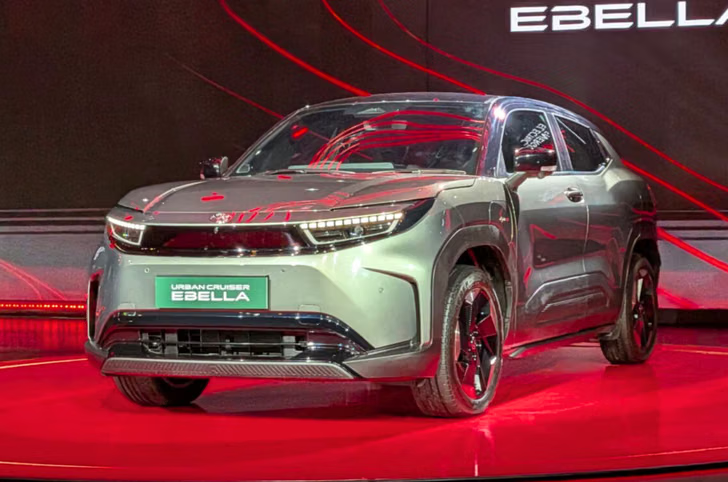
The Ebella sports a clean and modern electric SUV design. Its dimensions are 4285 mm in length, 1800 mm in width, and 1640 mm in height. The wheelbase measures a generous 2700 mm, which helps create a spacious cabin.
The front face features Toyota’s latest hammerhead LED headlamp design with sharp, segmented daytime running lights. The closed grille gives it a typical EV appearance. Vertical air vents on the bumper add character while keeping aerodynamics in check. From the side profile, the upright stance and thick wheel-arch cladding make it look rugged yet urban-friendly. The 18-inch alloy wheels come with aero-optimised inserts that improve efficiency.
Rear door handles are placed high on the C-pillar, creating a floating-roof illusion. The charging flap sits neatly on the front left fender. At the rear, connected LED taillamps stretch across the tailgate, paired with a reworked bumper and subtle black cladding. No fake exhaust tips keep the look clean.
Available colours include five monotone shades – Bluish Black, Gaming Grey, Enticing Silver, Cafe White, and Sportin Red – plus four dual-tone options with a black roof. The overall design is understated yet premium, appealing to family buyers who want a practical and stylish electric SUV for daily commutes and weekend getaways in Jharkhand.
Interior and Comfort
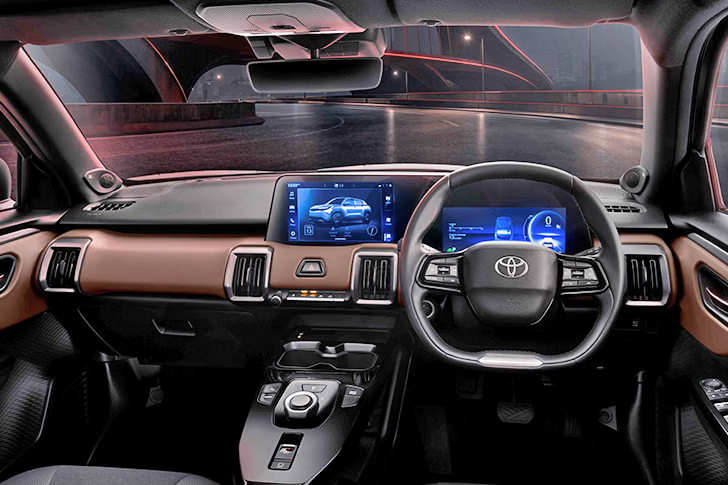
Step inside and the Ebella offers a premium, airy cabin with a black-and-tan dual-tone theme in higher trims. The dashboard design is upright and driver-focused, finished with gloss black accents and soft-touch materials on key areas.
Front seats are ventilated and offer multi-way power adjustment with good bolstering for long drives. The rear bench slides and reclines, allowing passengers to prioritise legroom or boot space. Rear occupants get dedicated AC vents, USB Type-C ports, and sufficient headroom and knee room for adults. The middle seat is usable for short journeys but best suited for two adults on longer trips.
A fixed panoramic glass roof floods the cabin with natural light, making it feel even more spacious. Ambient lighting with multiple colour options adds a modern touch at night. Boot space is practical for family luggage, though exact figures are yet to be confirmed. A full-size spare wheel is provided, which is a big plus in India.
Storage is generous with large door pockets, a cooled glovebox, and a wireless charging pad. Noise insulation is impressive thanks to double-glazed windows in higher variants. The cabin remains quiet even at highway speeds, which is one of the biggest advantages of an electric powertrain.
Also Read Skoda Kushaq Facelift Price – Images, Colours & Reviews
Features and Technology
Toyota has loaded the Urban Cruiser Ebella with a strong feature set suitable for Indian buyers.
The 10.1-inch touchscreen infotainment system supports wireless Android Auto and Apple CarPlay, along with cloud-based navigation. A 10.25-inch fully digital driver display shows range, energy flow, and other vital information clearly. The JBL sound system with 10 speakers delivers crisp audio.
Higher trims include a fixed panoramic glass roof, ventilated front seats, wireless phone charging, automatic climate control with air purifier, keyless entry, push-button start, rain-sensing wipers, and an auto-dimming IRVM.
Advanced driver assistance systems (ADAS) Level 2 features are present in top variants. These include adaptive cruise control, lane keep assist, blind-spot monitoring, rear cross-traffic alert, and autonomous emergency braking. A 360-degree camera is also offered in flagship models.
The Toyota i-Connect app allows remote monitoring, preconditioning, and vehicle location tracking – very useful in urban areas like Ranchi where parking can be tricky.
Battery, Range, and Performance
The Ebella comes with two battery options, both using safe and durable LFP chemistry.
- 49 kWh battery pack – 144 PS power, 189 Nm torque, ARAI-certified range of 440 km
- 61 kWh battery pack – 174 PS power, 189 Nm torque, ARAI-certified range of 543 km
Both variants are front-wheel-drive only. Real-world range is expected to be 350–450 km depending on driving style, AC usage, and road conditions.
Performance feels brisk for city and highway use. The instant torque delivery makes overtaking effortless. Drive modes include Eco, Normal, Sport, and Snow for different conditions.
Charging supports 7 kW AC home charging and DC fast charging. The 61 kWh pack can reach 80% in around 60 minutes on a fast charger. Toyota offers an 8-year or 1.6 lakh km battery warranty.
The innovative Battery-as-a-Service (BaaS) option allows customers to rent the battery pack separately, reducing the upfront purchase price. Toyota also promises a 60% buyback value after three years, addressing resale value concerns in the growing Indian EV market.
Ride, Handling, and Efficiency
The Ebella rides comfortably over most Indian road surfaces. The suspension setup absorbs potholes and broken patches well, which is important for daily use in Jharkhand. Body roll is controlled, and steering is light at low speeds and weighted at higher speeds.
Regenerative braking is smooth and adjustable, helping recover energy during city driving. The cabin stays exceptionally quiet – one of the biggest joys of owning an electric vehicle. Wind and tyre noise are well suppressed even at 100–120 kmph.
Overall, the Ebella offers a relaxed yet confident driving experience suitable for families and long-distance travellers.
Safety Features
Safety is a strong point. The Ebella comes with seven airbags as standard – including driver, passenger, side, curtain, and centre airbags. ABS with EBD, electronic stability control, hill-hold assist, and tyre pressure monitoring are included across variants.
Higher trims add Level 2 ADAS features for enhanced highway safety. The body structure uses high-strength steel, and Toyota’s global safety reputation adds confidence. While official GNCAP results are awaited, the package looks promising for Indian road conditions.
Variants and Pricing (Expected)
Three main variants are expected: E1, E2, and E3.
- E1 (49 kWh) – base model with essential features
- E2 (61 kWh) – mid-spec with added convenience features
- E3 (61 kWh) – top model with panoramic roof, JBL audio, ADAS, ventilated seats, and more
Ex-showroom prices are projected between Rs 18 lakh and Rs 24 lakh. On-road prices in Jharkhand will be higher due to state taxes and registration. The BaaS option could bring the entry price down significantly.
Toyota’s widespread service network and low maintenance costs for EVs make ownership attractive.
Pros and Cons
Pros
- Impressive ARAI range of up to 543 km
- Toyota reliability and strong battery warranty
- Premium cabin with ventilated seats and panoramic roof
- Level 2 ADAS in top variants
- Quiet and smooth electric driving experience
- Practical family-friendly features
Cons
- Expected pricing on the higher side
- Front-wheel-drive only (no AWD in India)
- Design similarities with Maruti e Vitara
- Charging infrastructure still developing in smaller cities
- No hybrid or petrol option for range-anxious buyers
FAQs
What is the range of the Toyota Urban Cruiser Ebella?
The 49 kWh version offers 440 km ARAI range, while the 61 kWh version delivers 543 km ARAI range.
Which variant should I choose?
If you do mostly city driving, the 49 kWh E1 or E2 is sufficient. For longer highway trips, go for the 61 kWh E3.
Is the Ebella safe for families?
Yes – seven airbags, strong body structure, and Level 2 ADAS in top variants make it one of the safer options.
How does it compare with the Hyundai Creta EV?
The Ebella offers longer range and Toyota’s brand reliability, while the Creta EV may be priced lower.
When will deliveries start?
Deliveries are expected to begin in February 2026 after the January 20, 2026 unveiling.
Is Toyota service good for EVs in India?
Toyota has a strong service network across India, including Jharkhand. EV maintenance costs are generally lower than petrol vehicles.
Should I wait for the BaaS option?
If upfront cost is a concern, the Battery-as-a-Service plan can reduce the purchase price significantly.
Final Verdict
The Toyota Urban Cruiser Ebella arrives at the perfect time for Indian buyers looking for a reliable, feature-rich electric SUV. With strong range figures, premium cabin comforts, advanced safety features, and Toyota’s legendary after-sales support, it makes a compelling case in the Rs 18–24 lakh segment.
For families in cities like Ranchi who want silent, smooth, and eco-friendly mobility without frequent visits to the fuel station, the Ebella is a smart choice. While charging infrastructure is still growing, home charging and Toyota’s buyback assurance reduce ownership worries.
If you are ready to switch to electric and value peace of mind, the Toyota Urban Cruiser Ebella deserves a serious test drive when it reaches showrooms in early 2026.