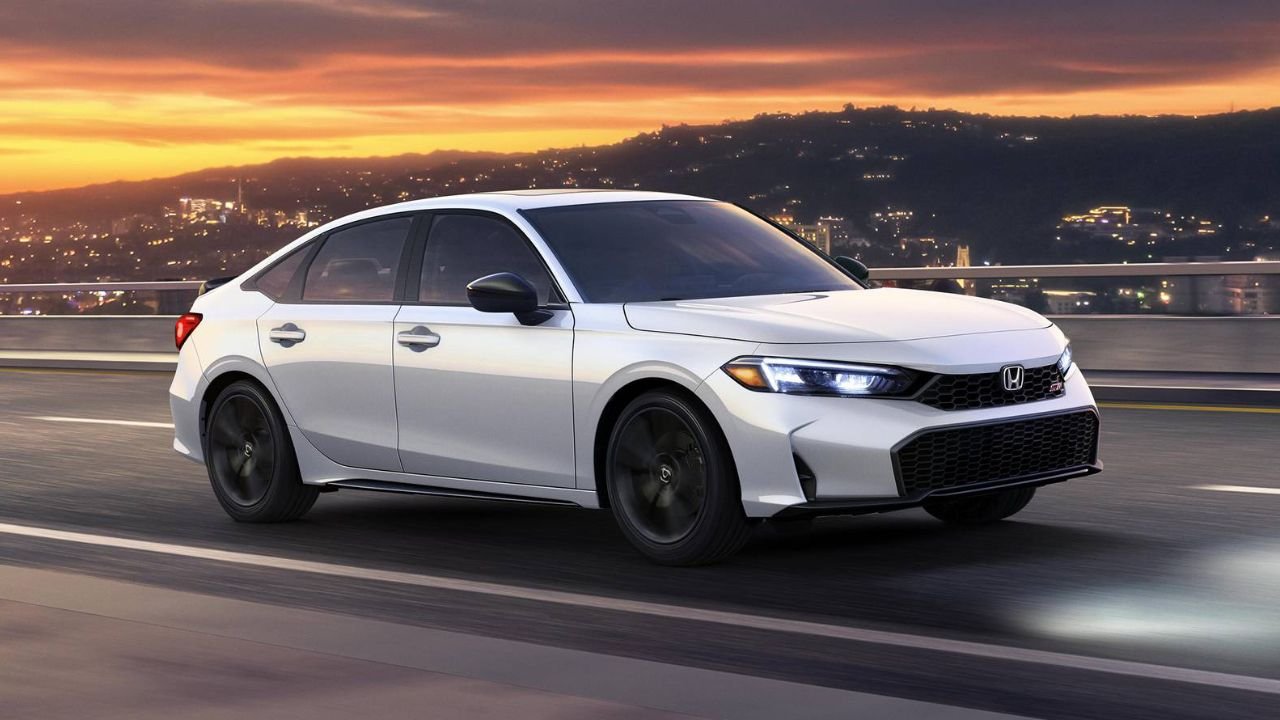
The 2025 version of the Honda Civic remains one of the most talked-about sedans globally. It blends sleek design, refined interiors, and modern engine technology. For Indian buyers, it offers an appealing mix of comfort, efficiency, and global appeal. This review dives deep into what the Civic delivers — its strengths, areas to check, and whether it fits well on Indian roads. I use simple language and short sentences for easy reading.
Specification Table – What to Know (Global Civic 2025 )
| Feature | Typical Detail |
|---|---|
| Body Type | Compact / Mid-size Sedan |
| Engine Options | 1.5 L Turbo petrol, 2.0 L (or similar) petrol + hybrid motors (Hybrid e:HEV globally) |
| Transmission | Manual, CVT / E-CVT (depending on variant), Automatic where offered |
| Fuel Efficiency | Hybrid: high city efficiency in global tests; Petrol turbo: moderate fuel efficiency with strong performance |
| Seating Capacity | 5 |
| Boot Space | Reasonable for suitcases and daily luggage |
| Safety Kit | Dual airbags or more, ABS + EBD, stability control, optional driver-assist features in higher trims |
| Ride Quality | Balanced — stable on highways, comfortable on city roads with decent suspension setup |
| Ideal Use | City commuting, long highway trips, corporate commuting, family use, hybrid users |
Why the Civic Still Matters for Indian Buyers
The Civic holds strong brand value across the world. It is known for reliability, smooth performance, and a comfortable ride. For buyers seeking a premium sedan that balances style and practicality, the Civic remains a top choice.
With rising fuel prices and increasing urban traffic, a sedan that offers a refined cabin, good mileage, and ease of handling becomes attractive. The Civic 2025, with its hybrid and efficient petrol-turbo options elsewhere in global markets, appears well suited for those needs. For India, if the model is launched with competitive pricing, it could fill a niche between mid-segment sedans and high-end luxury cars.
The Civic’s global reputation and engineering add to its appeal — for families, young professionals, and anyone who wants a safe, comfortable, and modern sedan.
Design and Exterior — Modern, Sleek and Subtle
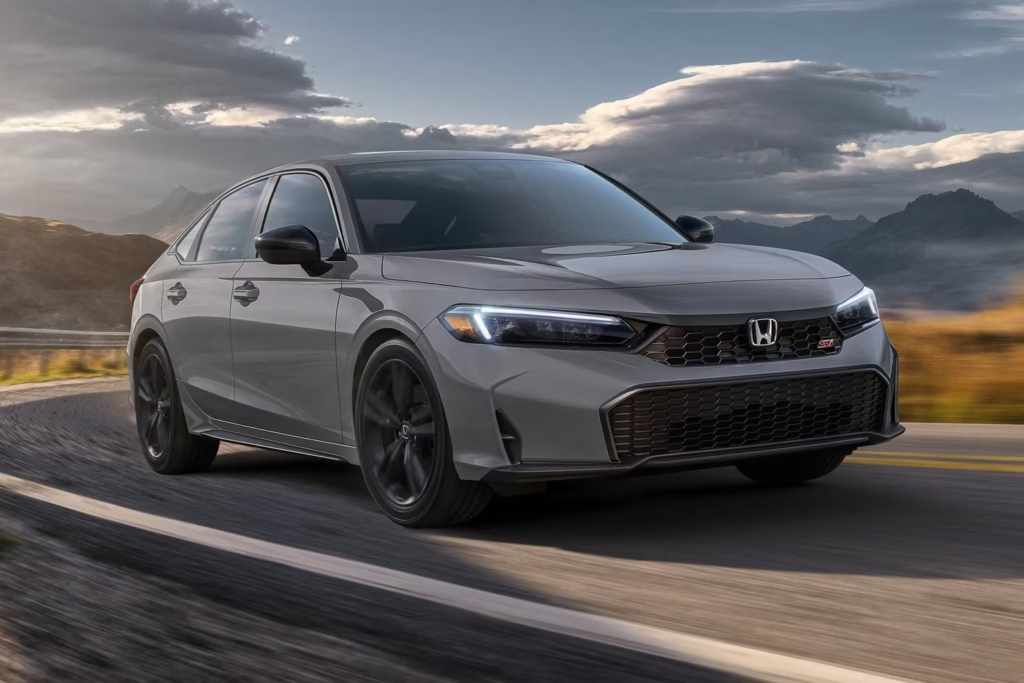
Exterior Styling
The Civic 2025 moves away from bulky designs. It has a low roofline and a sleek silhouette. The front end features a narrow grille and slim headlights. The overall shape feels more like a stylish fastback than a traditional sedan.
This streamlined body reduces visual bulk but keeps presence on the road. On Indian streets, that translates to easier navigation through traffic and improved parking convenience, while still offering a premium look.
Build and Road Presence
The Civic looks refined and global. Clean body lines, smooth paint finish, and an integrated boot design give it sophistication. It is neither flashy nor overly aggressive — a design language that many buyers appreciate for a city sedan used for daily commuting and occasional long drives.
Even in heavy traffic or tight lanes, the Civic’s shape works in its favor. It does not feel like a bulky sedan, yet it carries a sense of solidity and quality.
Interior and Cabin Comfort — Refined, Quiet and Well-Built
Seating and Materials
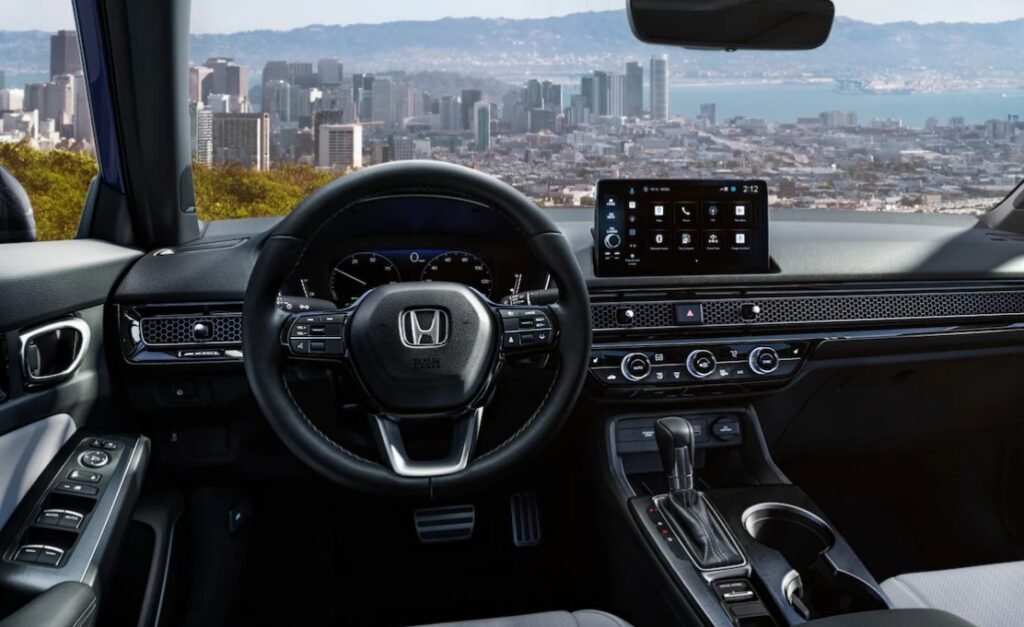
Inside, the Civic offers a comfortable and well-finished cabin. Soft-touch panels, well-stitched upholstery, and quality plastics give a sense of premium build. The front seats are supportive and suited for long drives. The rear seats offer reasonable knee room and headroom for average-height adults.
While the sloping roofline reduces rear headroom slightly, the cabin remains comfortable overall, especially for two adults or a small family.
Features and Technology
In markets where it is offered, the Civic often includes features such as a wide digital instrument cluster, a large central touchscreen, and smartphone connectivity. Climate control and a good air circulation system add comfort during Indian summers.
For a sedan in this class, the level of interior finish and feature set feel modern and on par with global standards. This helps braking noise, vibrations, and cabin quietness — essential for comfort on rough Indian roads.
Practicality and Boot Space
The boot is adequate for luggage or grocery loads. For daily commuting or weekend trips, the space suffices. With a relatively flat boot floor and a wide opening, loading and unloading are easy. Rear seatbacks may not fold flat in all trims, but the space management remains practical for city use and occasional travel.
Also Read Royal Enfield Hunter 350 Review for India: A Detailed Look at Style, Performance, Comfort, and Value
Engine, Powertrain and Driving Performance
Though Honda has not officially confirmed all versions of the Civic 2025 for India, globally the model offers multiple powertrain options. Here is how they perform, and how they might fare on Indian roads.
Turbo Petrol Option
A 1.5 litre turbocharged petrol engine powers some Civic variants. This engine delivers brisk acceleration and strong mid-range torque. On open highways, it handles overtakes confidently. For city driving, gear shifts are smooth and throttle response is refined.
This makes the turbo petrol Civic suitable for buyers who often drive on highways or prefer quick performance without compromising engine refinement.
Hybrid Powertrain (e:HEV) — Efficiency for City and Highway
One of the most attractive options globally is the hybrid version. In hybrid mode, an efficient petrol engine works in tandem with electric motors and a battery pack. The result is excellent low-end torque, smooth take-offs, and very good city fuel efficiency. For traffic-heavy cities like Mumbai, Delhi, Bangalore, or Kolkata, this hybrid setup could translate into significant fuel savings and reduced running cost.
With fewer jerks during stop-start traffic, smooth acceleration and silent running at low speeds, the hybrid Civic caters to buyers who value comfort and economy over outright sporty performance.
Ride, Handling and Comfort on Indian Roads
The Civic’s chassis and suspension are tuned for balance. On smooth roads, ride quality is comfortable and controlled. On imperfect city roads and uneven rural patches, the suspension absorbs bumps decently, though road conditions matter a lot.
Steering is precise and gives good feedback. The turning radius is manageable, which helps in tight city lanes and parking. Noise insulation and build quality reduce wind and engine noise, enhancing comfort for occupants even at 80–100 km/h.
For long drives, the strong suspension, comfortable seating and stable handling make the Civic a good companion. Whether it’s city traffic or highway cruising, the ride remains composed and predictable.
Safety, Features and Driver Aids
International versions of the Civic often include a wide set of safety and driver-assist features:
- Dual or multiple airbags for front and side protection
- Anti-lock braking system (ABS) with electronic brake-force distribution (EBD)
- Stability control and traction control on select trims
- Reverse parking camera and sensors
- Lane-keeping assist, adaptive cruise control and collision braking assist in higher trims
For Indian buyers, these features matter a lot. They improve safety in traffic, provide reassurance during long drives on highways, and make daily commuting safer. If Honda brings similar safety kit for the Indian Civic, it could stand out among competitors in its class.
Expected Price and Market Positioning in India
If officially launched in India, the new Civic would sit in the premium sedan segment. It would compete with mid- to premium-class sedans. The hybrid or turbo versions will likely carry a price premium over compact sedans, but also offer better build quality, features, and driving refinement.
Buyers should consider:
- Import status or local assembly (CKD/CBU)
- Price after import duties and taxes if fully imported
- Long-term service and maintenance costs
- Fuel savings in hybrid variant for city users
For buyers willing to invest a bit more upfront, the value offered in comfort, style, fuel efficiency and global build standards can justify the premium.
Ownership Costs and Resale Value
Running a Civic 2025 will cost more than a basic small sedan, but operating costs could remain reasonable thanks to efficient engines and good fuel economy (especially the hybrid).
Maintenance costs depend on parts availability and service network. Honda has a strong service presence globally. If they support Civic ownership in India well, cost of ownership should remain manageable for a premium sedan buyer.
Resale value depends on condition, maintenance record, fuel type and market demand. If the Civic becomes popular, resale value may stay stable. Hybrid models may fetch a premium in metro cities because of fuel savings and urban efficiency.
What Works Well – Civic 2025 Strengths
- Sleek, modern design with global appeal
- Comfortable, well-insulated cabin with quality materials
- Balanced ride and handling — good for city and highway driving
- Turbo petrol and hybrid engines give flexibility depending on need
- Strong safety and driver-assist feature potential
- Smooth driving experience even in heavy traffic or long trips
- Brand value and global pedigree enhance resale appeal
Limitations and What to Check Before You Buy
- Roofline reduces rear headroom slightly — tall adults may feel a bit cramped behind
- Hybrid and turbo petrol versions could cost more upfront
- Maintenance and parts cost may be higher than compact sedans
- Import costs and taxes might increase on-road price if fully imported
- Ride on rough rural roads may feel firm despite good suspension — tyres and road quality affect comfort
Frequently Asked Questions (FAQ) – For Indian Buyers
Q: Will the 2025 Civic be launched in India soon?
A: Honda has not formally confirmed it yet, but global availability and demand suggest it may come to India in the near future.
Q: Which engine variant should Indian buyers prefer — turbo petrol or hybrid?
A: If you drive mostly in cities, want fuel efficiency and smooth traffic commuting, the hybrid version (if available) is ideal. If you travel often on highways, want quicker response and powerful overtakes, go for the turbo petrol.
Q: How is maintenance and fuel cost compared to compact sedans?
A: Running costs will be higher due to premium features and build quality. But fuel savings in hybrid mode and efficient highway mileage in turbo petrol may offset some costs over time.
Q: Is rear seat space good for Indian families?
A: Rear seat space is reasonable for two adults. Headroom is a bit limited due to the sloping roofline, but for daily commutes or occasional family trips, it remains usable.
Q: How about spare parts and after sales service?
A: If Honda India supports Civic with full service and parts supply, ownership should be manageable. Check local dealer availability before purchase.
Conclusion – Should You Consider Honda Civic 2025 for India?
The Honda Civic 2025 has all the ingredients a premium sedan buyer in India would want — global design, refined build, modern engines (turbo and hybrid), comfortable ride, good safety potential, and brand value. If Honda launches it here with correct pricing, it could strongly compete with premium sedans and even bridge gap between mid-size sedans and premium segment cars.
The Civic works well for daily city commuting, long drives, family use or corporate executives needing comfort and class. It represents a good balance of performance, efficiency, comfort and practicality.
For buyers willing to invest a bit more upfront, and who appreciate a global sedan with modern features — the 2025 Civic is a compelling option. Its combination of style, efficiency and Honda reliability makes it a candidate worth waiting for in India.